
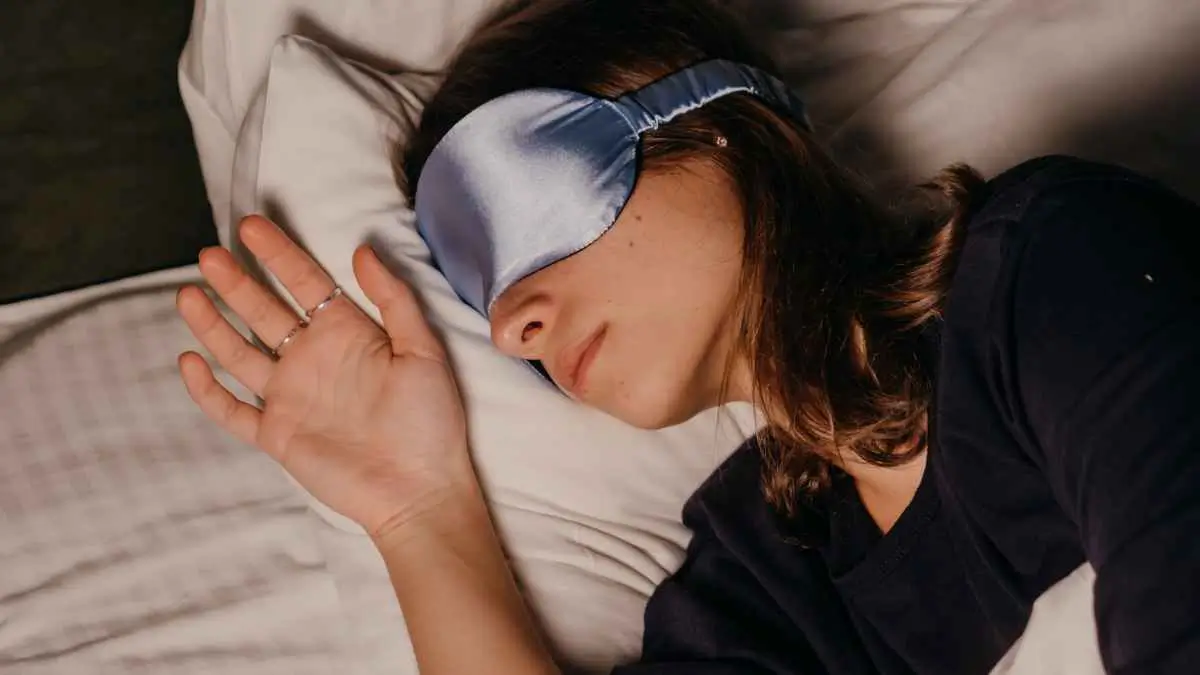
Sleep is looked upon as plumbing: something that is there until something happens to it, and then it’s placed under scrutiny, but not for our personal fault. A great number of studies indicate that the poor quality of sleep is often not a mystery but rather a set of repetitive minor actions and habits that can be easily changed.
Having the expression “sleep hygiene” might seem to present nothing new, but it emphasizes an important issue. The concept of sleep hygiene can be understood as a set of living habits and environment conditions, which contributes to a big chance of getting good sleep. It should be mentioned that sleep hygiene alone cannot help in cases of insomnia. But sleep hygiene is the basis for all the treatments of this disorder.
The Master Variable: Regularity
If there is one thing you should definitely pursue, that would be consistency. Your circadian rhythm, which is an internal clock that guides your body through a 24-hour cycle, survives on being predictable. Different studies have shown that irregular sleep patterns lead to negative implications in your health regardless of how many hours you sleep.
In practical terms, the rule of thumb is very simple: you must wake up at the same time on the weekends as well. While you may have some leeway with your bedtime, waking up should be strictly done in the same time during the whole week. By trying to regulate the sleep pattern during weekends you will cause what medical experts call social jet lag that makes Mondays feel as though you have been traveling across the Atlantic.
Light: The Most Powerful Signal You Control
The main signal that regulates a human’s biological clock is light exposure. Morning exposure to bright light, and ideally outdoor light within one hour after waking, advances the circadian phase and enhances the contrast between day and night that is essential for deep sleep. Even cloudy daylight is much stronger than indoor lights.
The same applies to the evening. Dim the lights in the two to three hours before sleep, and minimize exposure to bright screens where possible. It is important to clarify the impact of screens: even though screens do have an effect, it is often exaggerated because mental stimulation via (news, emails or social media) is possibly as disruptive as blue light. The best way to address this is to make the hours before sleep into a screen-free period, instead of inventing a multitude of devices that solve this problem.
Caffeine, Alcohol, and the Chemistry of Bad Nights
The half-life of caffeine is around five to six hours, such that caffeine consumed during mid-afternoon would still have some stimulating effect left by midnight. According to one study, caffeine consumed six hours before bedtime reduced sleep time. Early afternoon would be a good cut-off point, and earlier for those who are sensitive to it.
Recommended for You:
- The Quiet Closet Revolution: Second-Hand Fashion and Capsule Wardrobes
- Tyran Lee Ingram’s “Thank the Lord”: A Powerful Musical Tribute to Faith, Gratitude, and Perseverance
- The Future of Global Education: Trends, Technology, and Innovation
- Beyond the Daily Pill: How Long-Acting Therapies Are Redrawing the Future of HIV Care
Then there is alcohol, which is a trickier substance, more insidious in its effects. It helps you fall asleep faster, earning it its reputation as a sleep aid. However, it will fragment the second half of your sleep and suppress your REM sleep, resulting in shallow sleep. It is not really a sleep aid but a sedative. If you drink, you should be done with it several hours before bedtime.
There are heavy meals and nicotine, a stimulant, that complete the list of offending substances.
Engineering the Bedroom
To maintain a good sleep environment, the room should be dark, quiet, and cool. The core temperature drops so that sleep can begin, with most rodent communities favoring somewhere around 18 to 19°C for best sleep. Ensuring complete darkness (using blackout curtains or an eye mask) and using earplugs or steady white noise will minimize environmental disturbances that might cause micro awakenings of which the individual may not even be aware.
Furthermore, the bed must be seen in a psychological way: those acting on this principle rely on stimulus control, which is among the key elements of CBT-I methods. By staying in bed awake, or worrying about something, the individual stops distinguishing the bed as a place for sleep. The solution is to be a bit counterintuitive and if the person cannot sleep after 20 min then he or she needs to get out of bed.
The Nightly Routine: A Runway, Not a Switch
Sleep cannot be switched on and off. This is because the brain requires a decrease that is why a good sleep routine is important. An example of a sleep routine can be:
Two or three hours before you go to bed – stop eating and exercising and begin to dim the lights in the room.
An hour before bed – stop any kind of work and put away your electronics which require some stimulation. Do some relaxing activities like reading a traditional book, stretching, or listening to relaxing music.
Thirty minutes before bed – take a shower or bath. The temperature drop will force you to fall asleep.
At the moment you go to bed – if you have problems falling asleep, write down your plans for tomorrow.
The study carried out by Baylor University has produced a result that people who made plans for the next day before bedtime fell asleep faster than those who did not have such information in mind.
Relaxation techniques like diaphragmatic breathing, muscle relaxation, and mindfulness practices have very little but very clear evidence of their effect on sleeping quality.
Movement and Naps
Exercise increases both the quality of sleep and the ability to fall asleep fast, although vigorous exercise just before bedtime can be stimulating for many individuals. Morning and afternoon exercise is the best option.
Naps have dual benefits. Short naps in the afternoon – about 20 to 30 minutes in length – refreshes your energy levels, whereas long and late naps weaken your sleep drive.
The Takeaway
A good sleep doesn’t depend as much on luck as on design. Fix your getting-up time, get some light in the morning, remain away from stimulation in the evening, and make sure that your bedroom is cool and dark, and use bed only for sleeping. None of these recommendations is unimaginable, and this is exactly the point. Good sleep comes to those who are patient and disciplined.

Digital entrepreneur and content expert I help businesses with AI, SEO and the latest tech trends. I started Silicon Valley Weekly to make complex tech concepts easy to understand and use for business growth. I know a lot about systems and help startups, entrepreneurs and brands navigate the fast-changing world of tech and online marketing.
I build strategies that use data, search optimization, content marketing and AI tools to get visibility, engagement and revenue. I love finding ways for businesses to grow increasing their presence and turning new ideas into successful businesses. My goal is to connect the technology, with practical business use so brands can succeed online.