For a century, cars promised liberator of man from restriction as well as have called for attention for their operation. A different approach is being developed through the abandoning of some responsibilities for driving process from people to machines. This mare turning into autonomous vehicles in man’s state of control. Henceforward, we enter the age of autonomy together with the industrial and service robot with which we have to share the future of automation.
The Seductive Middle Ground
The general public has a liking for uncomplicated stories, such as “there was a time when people was driving, now they don’t”. However, the existing situation is very different. Most cars advertised as “self-driving” today are actually at Level 2 or 3 of the SAE system, meaning that the vehicles may steer, brake, and accelerate depending on the setting, but the driver has to be alerted. These vehicles work well on good roads, but when there is construction going on, faded lines on the road or there’s a need to cross the intersection traffic, these vehicles fail.
This limitation isn’t just an incidental detail – it’s the key design issue. What makes automation so difficult is not the ability of the machines to complete tasks, but rather the issue of handing over control. The biggest obstacle to progress is that a system can operate without problems for a long time before asking a sleepy human being to take over the controls virtually at once, and thus the danger hasn’t been avoided, but just shifted elsewhere.
The Paradox of Vigilance
The aviation industry has understood for decades that while autopilot technology has greatly improved safety, it has also led to the danger of automation complacency. With the growing tendency of pilots required to monitor rather than actively fly planes, we see an erosion in pilots’ skills and awareness. Now, drivers of semi-autonomous vehicles are falling into the same trap with less training and more risk than pilots.
Humans have proven to be bad monitors. We can act and adapt well but have trouble maintaining vigilance over tasks that are rarely demanding. Thus, any real regulatory system should include driver monitoring, mode indication, and marketing as essential features rather than optional add-ons. Terms like “Autopilot” and “Full Self-Driving” create expectations that lead to the misuse of technologies.
Robotics: The Same Logic, Different Terrain
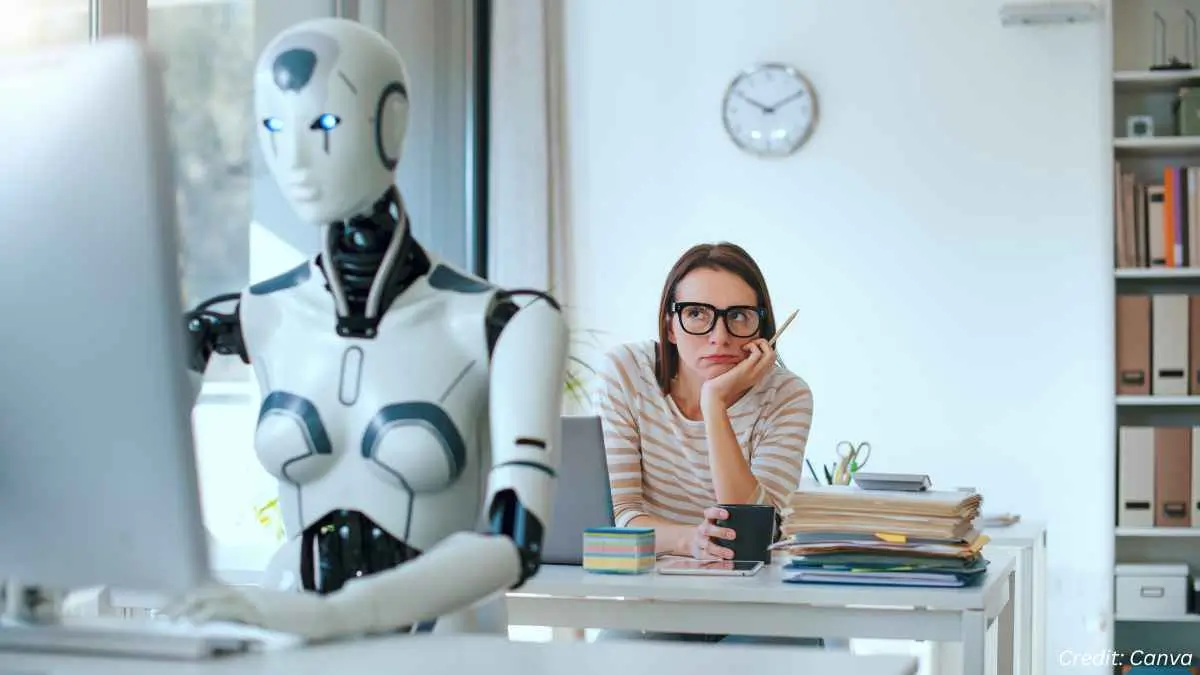
The advancement of robotics is similar to the development of transportation. Today, warehouse operations and logistics involve the use of collaborative robots (cobots) operating in cooperation with people – cobots lift, sort and transfer items, while people deal with troubleshooting and decision-making issues. Surgical robots help surgeons, providing necessary information, which does not affect their abilities. In agriculture, there are semi-autonomous machines that apply herbicides, collect crops, and manage them.
It can be concluded from the above examples that the highest effectiveness of robots is achieved when they use their possible full potential with the help of humans.
The Questions We Cannot Code Away
Technology will not by itself provide answers to some of the most difficult issues. The first and foremost is liability. If a self-driving car is involved in an accident, who will be held liable – the driver who was supposed to be paying attention, the manufacturer of the software that made the decisions or the sensor manufacturer whose equipment made errors in reading the surroundings?
Related:
- Anduril and Qualcomm Partner to Build American-Made Laptops for Government Use
- What is Starlink Internet and How Does it Work?
- Best AI Coding Tools for Software Developers in 2026: Top Picks and Features
- Technics EAH-A1000 Review: A Wearable with Superior Sound and excellent ANC
There is also the issue of data and transparency. This technology is trained through a huge amount of real-world data, but there is little information available about how these devices are being tested and how many times they have failed in testing. Proper regulation requires the reporting of such incidents.
Ultimately, there is the issue of the labor force. Automation does not really mean the disappearance of jobs. It means a change in what the job will be, and this change involves learning how to supervise rather than do, and this requires new skills, new pay, and new respect. This society which worships efficiency but fails to account for transition has misunderstood the nature of its accomplishment.
Designing for Trust, Not Just Performance
Trust is the currency of this whole field, and it takes a long time to earn and little time to lose. One bad story and you undo decades of work. This means being humble rather than flashy – being clear about the limitations of your product, deploying it carefully, testing it extensively and independently, and offering interfaces that make it absolutely clear what the machine is and is not capable of doing.
It also means shifting the focus of our ambitions. The whole industry obsession with autonomy, the mythical Level 5 vehicle that requires no human, might be a distraction from a more attainable goal.
Conclusion: The Partnership Principle
Autonomous driving cars and robots will be more of a story of the reassignment of responsibility, where software does the computing and the grunt work, while people do the reasoning and the moral decision-making. We will not say that it is successful when humans contribute the least they possibly can; it will be considered successful when humans do the most they can, using software.
In other words, our aim is not autonomy but interdependence. The thing that will protect us will not be our advanced sensing technology, but rather our prudent legislation, our honest advertising, and our engineers who understand how important it is to take human limitations into account in their design. We are all on the same road here.
Digital entrepreneur and content expert I help businesses with AI, SEO and the latest tech trends. I started Silicon Valley Weekly to make complex tech concepts easy to understand and use for business growth. I know a lot about systems and help startups, entrepreneurs and brands navigate the fast-changing world of tech and online marketing.
I build strategies that use data, search optimization, content marketing and AI tools to get visibility, engagement and revenue. I love finding ways for businesses to grow increasing their presence and turning new ideas into successful businesses. My goal is to connect the technology, with practical business use so brands can succeed online.