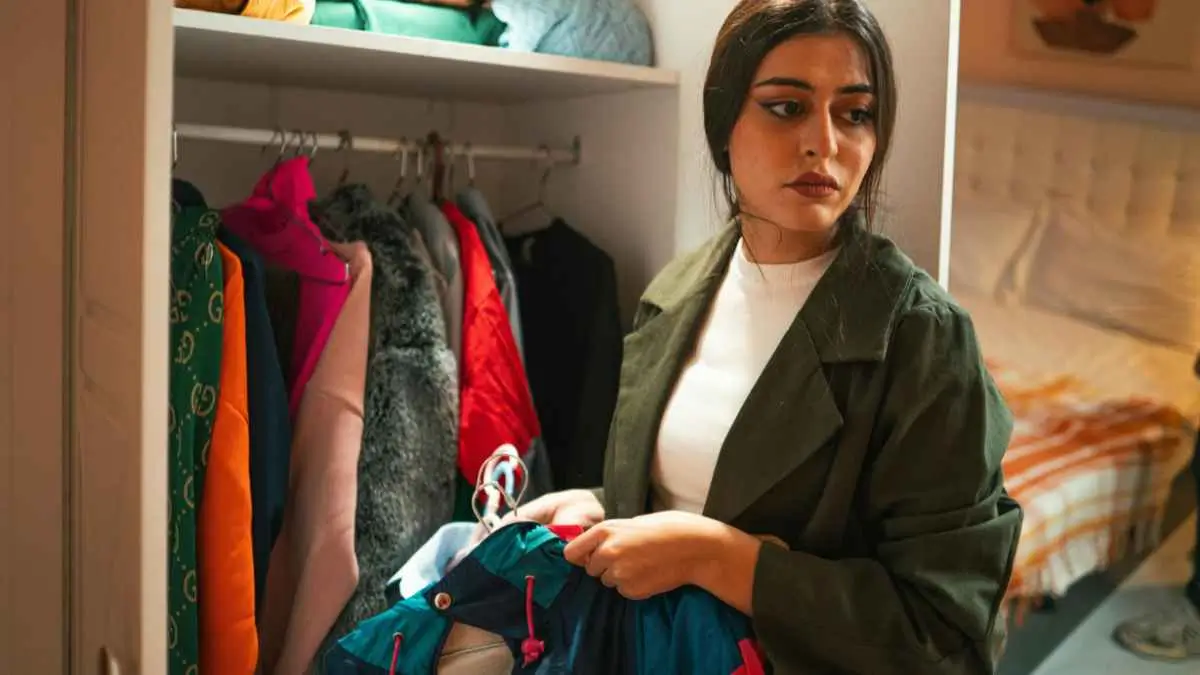
Although a ritual of fashion haul has developed into something old, readers once saw the delivery of many packages as an indication of style and abundance, nowadays more and more of them opt for a well-made second-hand item.
Today, slow fashion is not confined to the realm of ethics but rather becomes a viable response to price hikes, boring algorithms, and the feeling of exhaustion due to constant shopping. The statistics indicate the relevance of such shopping trends as second-hand purchasing, minimalistic capsule wardrobe, and the clothing repairing practice.
The Market Has Already Moved
Second-hand clothing worldwide amounted to about $257 billion in 2025, with revenues anticipated to touch almost $393 billion by 2030, growing two times faster than the rest of the fashion industry. In America, this sub-sector has grown three times faster than other traditional retailers in recent times, with the majority of the growth coming from Generation Z and millennials.
Second-hand clothes sales are now facilitated by platforms like ThredUp, Depop, Vinted, and The RealReal, turning it into a mainstream business. What started off as a Saturday thrift-store activity has become commonplace for young shoppers to check resale websites prior to purchasing anything new.
Value, Not Virtue, Leads
Consistently surveys indicate that cost-effectiveness is still the biggest lure. Clothes have become more expensive, and a decently made coat or pair of jeans which has been worn and tested and thus can offer more wears at a better price than a cheap new one that may not last through the season.
People now compute their resale value before making a purchase and thus treat some clothes as investments. The “buy, wear, sell, invest” process favors good quality and thus the hunt for a single high-end piece of clothing is more common among the young consumers.
Distinctiveness in a Homogenized Landscape
The rapidity of fast fashion has created an unintentional outcome: visual uniformity. The same clothes are shown to millions of customers by algorithms, which means that if someone finds a second-hand or vintage clothing item, he will be assured that it is unique. Customers state that they will enjoy each piece of clothing that has its own cut, material, or history.
Recommended for You:
- Tyran Lee Ingram’s “Thank the Lord”: A Powerful Musical Tribute to Faith, Gratitude, and Perseverance
- The Future of Global Education: Trends, Technology, and Innovation
- Beyond the Daily Pill: How Long-Acting Therapies Are Redrawing the Future of HIV Care
- How to Plan a Luxury Vacation The Ultimate Guide to an Unforgettable Travel Experience
Thus, capsule wardrobes increase this advantage because instead of a big variety of looks from dozens of same-looking pieces of clothes, people will have just a few of them, which means that they will have to pick the clothes consciously and will not suffer from decision fatigue.
Repair as Everyday Practice
Repairing garments completes the cycle. Tailoring and mending as well as expert repair services continue to grow along with resale channels; even some online wardrobes are now connected with repair services, so as owners can make the most of their item before putting it back on for sale. It is practical as well as symbolic.
A repaired hem or a reenforced seam means that the owner plans on keeping the item circulating rather than moving it off the market. For many people, it is not a philosophical position but a revival of a technique which used to be common some decades ago.
Sustainability as a Supporting Argument
There is genuine environmental consciousness, but very seldom does this factor play a major role. Carbon footprint, consumption of water, and disposal of fabric are factors associated with the fashion industry, and secondhand clothes definitely take away some of the need for manufacturing new ones.
Nevertheless, most consumers prioritize budget and product quality over the environmental consequences of their choices. Perhaps the bigger change will come from structural shifts when a higher percentage of clothes keeps being worn, and the demand for ever-new products diminishes irrespective of consumers’ individual priorities.
The underlying idea is that fashion becomes a more cyclical process for them. People do not abandon style altogether, but they simply redefine what fashion means to them. Rather than being about accumulation, fashion becomes about intention, rather than the place where something is from, and rather than buying new things, people choose to fix the old ones. It is likely that as second-hand becomes increasingly popular over new fashion, such ideas will reinforce each other.

Digital entrepreneur and content expert I help businesses with AI, SEO and the latest tech trends. I started Silicon Valley Weekly to make complex tech concepts easy to understand and use for business growth. I know a lot about systems and help startups, entrepreneurs and brands navigate the fast-changing world of tech and online marketing.
I build strategies that use data, search optimization, content marketing and AI tools to get visibility, engagement and revenue. I love finding ways for businesses to grow increasing their presence and turning new ideas into successful businesses. My goal is to connect the technology, with practical business use so brands can succeed online.