
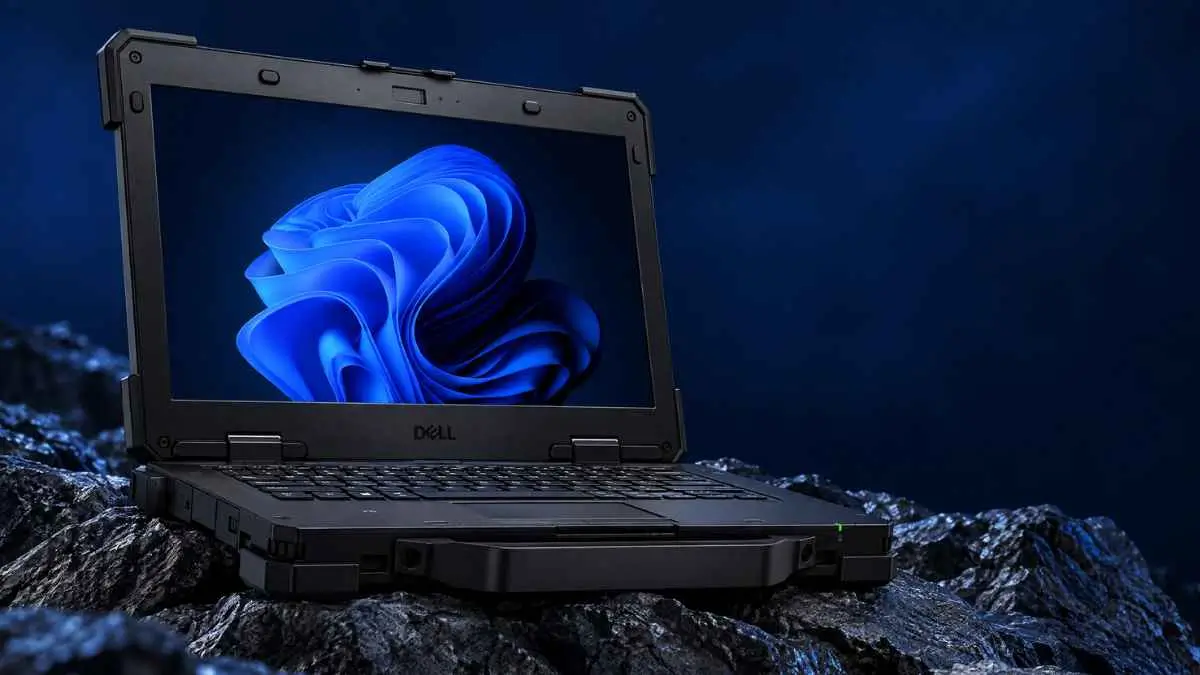
On October 27, 2026, defense tech firm Anduril Industries and chipmaker Qualcomm Technologies introduced a new range of products called BlueChip. Designed and built in the US, the new laptops are built around Qualcomm’s Snapdragon X Series platform and are aimed at government, defence, first responder and public safety markets. Working prototypes are now available and orders will be available during 2027. The components will be assembled at Anduril’s Arsenal-1 facility in Ohio and the Snapdragon chips will be produced at TSMC in Arizona.
This isn’t a gimmick. It’s an effort to try to counter the impact of decades of offshoring, and reduce reliance on overseas (often Chinese) suppliers for critical infrastructure.
Why Build In The US?
The US invented the PC, and is world-leading in PC design and advanced silicon. However, much of the assembly and many components were manufactured overseas. This leaves the US vulnerable from a national security standpoint, as any conflict, export and supply issues could see critical hardware become unavailable.
Palmer Luckey, the founder of Anduril, has said that if you can’t build your own computers you can never truly secure them. These BlueChip systems are “anti-surveillance” computers, which means each physical component can be audited by the buyer. As these systems will be used by government and military users they can also utilise on device AI, which keeps the data secure. The Qualcomm Snapdragon X Series provides a general purpose processor, GPU and on device AI capabilities.
These systems are being designed to be tough. Many military, police and emergency response users will need computers that can survive harsh conditions. By starting with something robust, they get into a very valuable market. While consumers are always welcome to show an interest, the first product will be much heavier and restrictive than normal consumer PCs.
Designing With The US In Mind
The BlueChip system has been designed with the US in mind. The housing is machined using materials that are available in the US. They’ve adapted their battery and power management system to work with the battery tech available in the US. They’ve also developed methods to bond the displays together using glass made in the US. Currently over 90% of the cost of procuring the working prototypes comes from components sourced from the US and allies. Long term they want everything from the displays, magnetism, metals and more to come from the US.
Related:
- What is Starlink Internet and How Does it Work?
- Best AI Coding Tools for Software Developers in 2026: Top Picks and Features
- Technics EAH-A1000 Review: A Wearable with Superior Sound and excellent ANC
- Why Virtual Influencers Are Transforming Technology and Digital Marketing
- OpenAI Adding Text Watermarking in ChatGPT and Codex
Some components will still come from China due to high volumes. Such as some of the display components. Palmer has been upfront that they won’t be 100% American, and perfection shouldn’t get in the way of progress. The early prototypes are around 32% pure US content. This is complimented with components from allies. They’re looking to bring more components from the US.
Costs
Costs will be higher. Palmer has said that these laptops will be around 20% more expensive than high end consumer laptops. If you don’t care about security, and have no procurement restrictions then you’d still go for a cheaper option like Dell. However, government users will be buying with Buy American preferences, audit requirements and risk assessments. Having a transparent supply chain can justify the extra cost.
There’s a significant amount of money involved in the rugged laptop market. If they can get into the military and federal market they’ll get enough volume to justify the tooling and supplier qualifications. Over time they’ll use this to build more BlueChip products. Qualcomm will also have a unique place to sell their Arm based laptop chips.
Challenges
It’s not as easy to manufacture computers. You need circuit boards, batteries, displays, precision metals and also the knowledge which was lost. Billions have been invested into building silicon manufacturing in the US, and this is trying to do the rest. Some may point out that Palmer’s company is known for autonomous drones and defence systems, not consumer electronics. And ambitious manufacturing projects often get delayed. However, it’s quite unique having Anduril’s manufacturing expertise and Qualcomm’s silicon knowledge. They’re also self funding.
They’re coming at a time when there is lots of pressure to consider electronic sourcing as a national security issue. Whether or not this becomes a niche rugged solution or the start of rebirth of the US computer industry depends on how well they can source reliable suppliers in the US, get the laptops certified for performance and security, and reduce the cost premium. However they have early prototypes and a clear order window for 2027.
Computing is a key part of our economy and national security. Being able to design, manufacture and know exactly what goes into the machines used by government and defence is key. This is an attempt to bring that back. They have big ambitions but have chosen to start with something specific. This will be measured by how many units they can produce that can be audited from silicon to chassis.

Digital entrepreneur and content expert I help businesses with AI, SEO and the latest tech trends. I started Silicon Valley Weekly to make complex tech concepts easy to understand and use for business growth. I know a lot about systems and help startups, entrepreneurs and brands navigate the fast-changing world of tech and online marketing.
I build strategies that use data, search optimization, content marketing and AI tools to get visibility, engagement and revenue. I love finding ways for businesses to grow increasing their presence and turning new ideas into successful businesses. My goal is to connect the technology, with practical business use so brands can succeed online.