
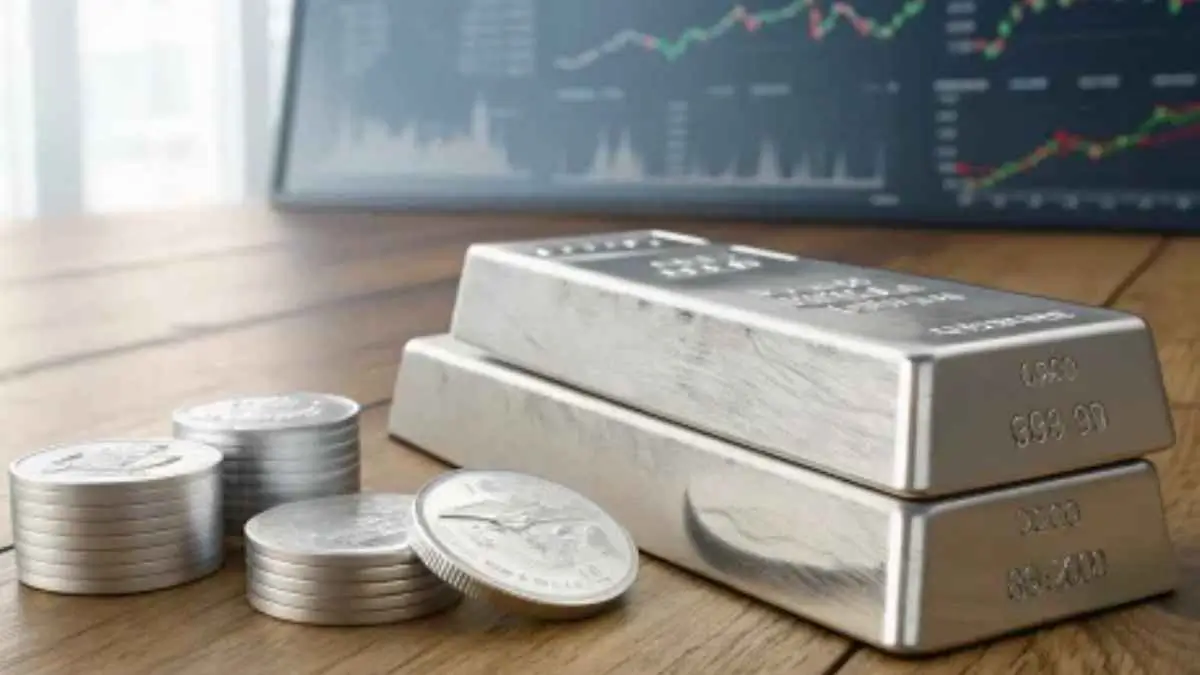
Silver is often viewed as a precious metal for coins, bars, jewelry, and investment. But a large part of silver demand comes from a very different place: industry.
Silver is used in solar panels, electronics, electric vehicles, power systems, medical equipment, and many other products. This industrial side of the market could have a major effect on silver’s future.
For people researching physical silver through goldeneaglecoin.com, industrial demand is worth watching because it can influence the balance between how much silver the world needs and how much is available.
Why Industry Needs Silver
Silver has properties that make it difficult to replace in some applications.
It is an excellent conductor of electricity and heat. Even a small amount can help electrical contacts and other components work efficiently.
This is one reason silver appears in products ranging from smartphones and computers to cars and electrical equipment.
Industrial silver demand reached a record 680.5 million ounces in 2024, according to the Silver Institute. Growth was supported by areas such as solar energy, vehicle electrification, electrical infrastructure, and AI-related technology.
That means silver’s future is connected not only to investors but also to technological development.
Solar Energy Could Remain a Major Driver
Solar power has become one of the most important industrial uses for silver.
Photovoltaic cells use silver to collect and carry electrical current. As more homes, businesses, and utility companies install solar systems, manufacturers need materials to produce those panels.
In 2024, photovoltaic applications represented about 29% of industrial silver demand, compared with only 11% in 2014.
There is an important catch.
Solar manufacturers are finding ways to use less silver in each cell. This process is often called “thrifting.” Some manufacturers are also exploring alternatives such as copper.
So, even if solar installations continue to grow, silver demand from the sector may not rise at the same speed.
Electric Vehicles Need Silver Too
Cars are becoming more electronic.
Modern vehicles contain sensors, switches, entertainment systems, safety equipment, and other electronic parts. Electric vehicles add even more electrical technology.
Charging stations and the wider electrical infrastructure needed to support EVs can also contribute to silver consumption.
This creates another possible source of long-term demand. As transportation becomes more electrified, silver could benefit from the growing number of electrical connections and components being produced.
AI and Data Centers Add Another Factor
Artificial intelligence may seem unrelated to precious metals, but the connection is becoming more important.
AI requires powerful computers, servers, data centers, networking equipment, and large electrical systems. Silver is used in many electrical and electronic applications connected to this infrastructure.
The Silver Institute expects areas including AI, data centers, EVs, and their supporting infrastructure to contribute to industrial silver demand through 2030.
This gives silver exposure to another fast-growing part of the global economy.
Higher Demand Does Not Guarantee Higher Prices
Strong industrial demand sounds positive for silver prices, but the relationship is not that simple.
Prices are affected by many factors, including mine production, recycling, investor demand, interest rates, currency movements, economic growth, and market expectations.
Companies can also respond to expensive silver by using smaller amounts or replacing it where possible.
That happened during 2025. Industrial silver demand declined after several years of growth, partly because solar manufacturers reduced the amount of silver used and increased substitution efforts.
This is an important reminder that industrial growth does not automatically create endless demand for the metal.
Silver Supply Can Be Slow to Respond
Another part of the story is supply.
Silver production cannot always increase quickly when demand rises. New mines can take years to develop, and much of the world’s silver is produced as a by-product of mining other metals.
Recycling can add supply when prices rise, but it may not completely solve a large gap between supply and demand.
Silver demand exceeded supply for five straight years through 2025, according to the Silver Institute.
If strong industrial consumption continues while supply remains limited, that balance could become increasingly important to the silver market.
What This Means for Silver Buyers
People shopping for coins and bars at goldeneaglecoin.com may naturally focus on spot prices, premiums, coin designs, and silver purity.
Industrial trends deserve attention as well.
Solar power, EVs, electronics, power grids, AI, and data centers could create important sources of future silver demand. At the same time, manufacturers will continue looking for ways to reduce costs and use less silver.
Silver therefore has two sides. It is a precious metal that people buy as an investment, but it is also an industrial material used in technologies shaping the modern economy.
Watching both sides can give silver buyers a much clearer picture of where the market may be heading.

Digital entrepreneur and content expert I help businesses with AI, SEO and the latest tech trends. I started Silicon Valley Weekly to make complex tech concepts easy to understand and use for business growth. I know a lot about systems and help startups, entrepreneurs and brands navigate the fast-changing world of tech and online marketing.
I build strategies that use data, search optimization, content marketing and AI tools to get visibility, engagement and revenue. I love finding ways for businesses to grow increasing their presence and turning new ideas into successful businesses. My goal is to connect the technology, with practical business use so brands can succeed online.