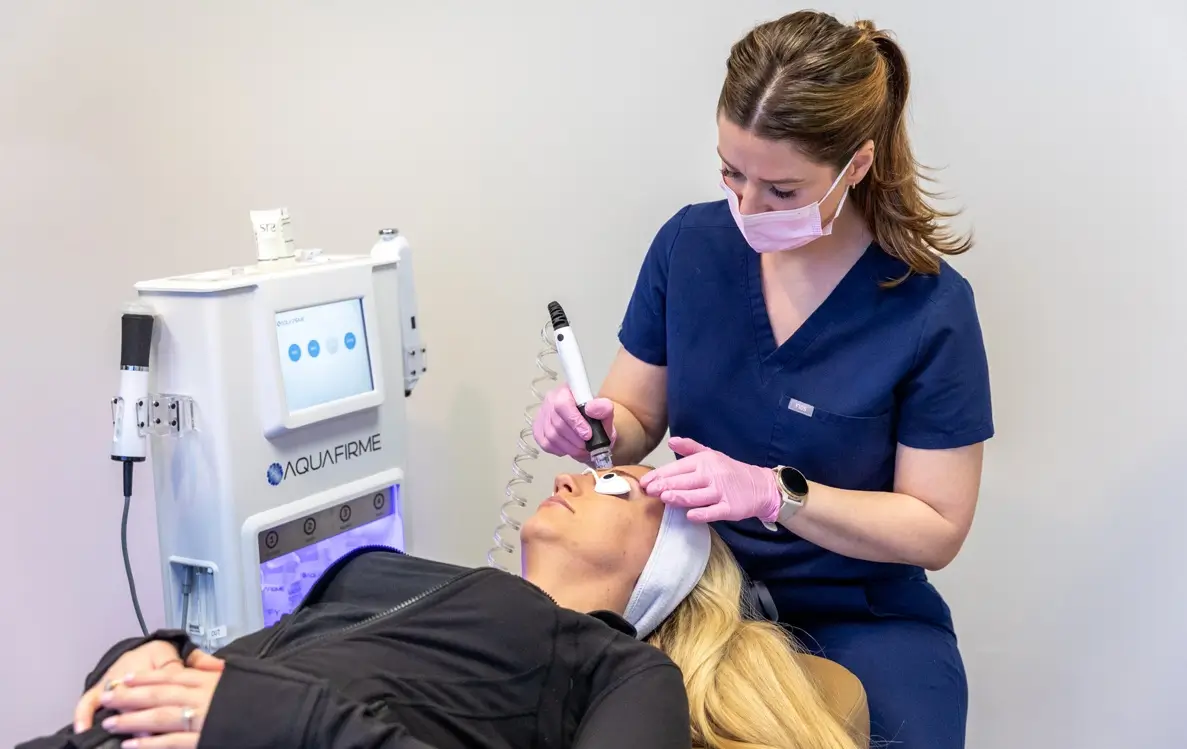

The Body as a Laboratory
There is a quiet revolution happening. It is not happening in government offices or big companies. It is happening in peoples homes, garages and daily routines around the world. People are waking up early to check their heart rate. They are taking supplements that are just right for their bodies. They are not eating for a while. Then eating again they are sleeping in cool rooms and they are tracking everything about their bodies. This is not something from a science fiction movie. This is biohacking. It is changing what it means to be healthy.
Personalized wellness used to be something that only rich people and athletes could do.. Now it is becoming popular with everyone. The wellness industry is very big it is worth over $5.6 trillion. It is changing from treating people when they are sick to trying to stop people from getting sick in the first place. People are using data and technology to take care of their bodies.
Is biohacking really a new way of thinking about health?. Is it just something that rich people are doing?. Is it the future of health?
Defining Biohacking: Beyond the Buzzword
To really understand personalized wellness we need to understand what biohacking is. The term biohacking is used to describe different things. Some people are just trying to sleep or eat less often or take supplements to feel less stressed. These are things that many people are doing without even calling themselves biohackers.
Other people are doing extreme things. They are putting chips under their skin. Taking special shots or using special equipment to breathe more oxygen. These things are not just about being healthy they are about experimenting with the body.
Most biohackers are doing things that’re in between these two extremes. They are using devices to track their bodies and doing tests to understand their genetics and the tiny living things in their bodies. They are trying to understand their bodies in a way that was not possible before.
What all these people have in common is that they do not believe in a one-size-fits-all approach to health. They think that everyones body is different and that we should take care of our bodies in a way that’s just right for us.
The Data Revolution: Knowing the Body in Real Time
One of the important things about personalized wellness is that we can now get a lot of data about our bodies. We can wear devices on our wrists that tell us our heart rate and how we are sleeping and many other things. This is not just about getting numbers it is about understanding our bodies in a way that we never could before.
We can also use devices to track our blood sugar levels. This is helpful because it tells us how our bodies are responding to foods and to stress and to exercise. This information is very personal. It can help us make better choices about our health.
We can also get tests to understand our genetics. This can tell us things like how our bodies respond to caffeine and how we absorb vitamins. This is an area of science but it is very promising.
All of these things together are giving us a detailed picture of our bodies. This is what people call the ” self”. It is a way of understanding our bodies that’s very detailed and that can help us make better choices about our health.
The Science Behind the Practice
We need to be honest about the science behind biohacking. Not everything that people are doing is supported by science. Some things like eating in a way that is limited to times of the day have been shown to be helpful. Cold exposure, which is popular with some athletes has also been shown to be helpful.
Other things, like taking certain supplements are not supported by science. The supplement industry is not regulated in the way that pharmaceuticals are so we need to be careful about what we are taking.
The credible people in the biohacking movement are careful about what they say. They distinguish between what’s supported by science and what is not. This is important because it helps us separate what is real from what’s not.
Personalization as Medical Philosophy
One of the most important things about biohacking is that it is changing the way we think about health. Western medicine has traditionally looked at people as groups not as individuals.. Biohacking is about looking at each person as an individual and trying to understand what is best for them.
This is not an idea. It is actually a return to the way that medicine used to be. Doctors used to look at each patient as an individual and try to understand what was best for them. Now with the help of technology we can do this in a way that’s more detailed and more accurate than ever before.
Accessibility, Equity and the Limits of Optimization
One of the problems with biohacking is that it is not accessible to everyone. Many of the devices and tests that biohackers use are expensive. This means that only rich people can afford them.
This is a problem because it means that the people who are already healthy are getting even healthier while the people who are not healthy are not getting the help that they need. This is not fair. It is not what we want.
The people who support biohacking say that it will become more accessible over time. They say that the prices of devices and tests will come down and that more people will be able to afford them. This may be true. We need to make sure that it happens.
The Future: Integration, Not Replacement
The best way to think about biohacking is not as a replacement for medicine but as a way to complement it. Biohacking is about using data and technology to take care of our bodies in a way that’s just right for us. It is not, about replacing doctors. About working with them to be healthier.
The way we think about healthcare is changing. This new way of thinking is sometimes called “precision wellness” or “proactive health”. It is about using monitoring, personalized data and lifestyle optimization to help people stay healthy. Doctors will not just be there to fix problems they will be partners in helping people perform at their best.
This new way of thinking is already happening at some institutions. For example Stanfords Human Performance Lab and the Buck Institute for Research on Aging are using biomarker monitoring to help people stay healthy. Some pharmaceutical companies are also getting involved in this area they are working on matching drug therapies to genetic profiles. Health insurers are starting to see the benefits of prevention and are looking at covering wearables and wellness monitoring.
The future of healthcare is not certain there are challenges to overcome. One of the challenges is making sure that peoples personal data is kept safe. There is also a risk that people will start to think that they are sick when they are not.. There are companies that will try to make money from peoples desire to be healthy.
There is a movement that is trying to change the way we think about health. It is called biohacking. Biohacking is not about trying crazy things to live forever. It is about using data and science to understand how to be as healthy as possible. It is about asking what it means to live, not just to not be sick.
The answer to this question is different for everyone. It depends on our genes, our environment and what we value. The future of health is not a one-size-fits-all solution. It is about finding what works for each person and using data to make sure we are on the track.
The question is, will this future be available to everyone or just those who can afford it?
Frequently Asked Questions
Q1: What is. Is it safe?
Biohacking is about using science and technology to optimize our mental performance. Some biohacking practices are safe like optimizing our sleep exercising and managing stress.. Some practices, like taking unregulated supplements or getting physical implants can be risky and should only be done with a doctors supervision.
Q2: Do I need technology to start with personalized wellness?
No you do not need to spend a lot of money to start with wellness. There are things you can do that are free or low-cost like optimizing your sleep exercising, eating well and managing stress. Technology can be helpful. It is not necessary.
Q3: How is biohacking different from preventive medicine?
Traditional preventive medicine is about following guidelines to stay healthy. Biohacking is about using data to make decisions that are tailored to your unique physiology. The two approaches are not mutually exclusive they can complement each other.
Q4: Is continuous glucose monitoring useful for people without diabetes?
Yes continuous glucose monitoring can be useful for people without diabetes. It can help you understand how your body responds to food, stress and sleep.. It is essential to interpret the data correctly and not to over-react to normal fluctuations.
Q5: What is the scientific evidence for biohacking supplements like NMN or resveratrol?
The evidence for these supplements is still preliminary. Most of the research has been done on animals. We do not know yet if the results will apply to humans. You should approach these supplements with caution and prioritize evidence-based practices first.
Q6: Can biohacking practices conflict with treatments?
Yes some biohacking practices can interfere with treatments. For example some supplements can interact with prescription medications. You should always tell your doctor about any wellness practices you are doing.
Q7: Is the biohacking movement accessible to people with incomes?
Currently some of the advanced biohacking technologies are expensive and not accessible to everyone.. The basic principles of personalized wellness like optimizing sleep eating well and exercising are available to anyone regardless of income.
Q8: What is heart rate variability (HRV). Why do biohackers track it?
Heart rate variability measures the variation in time between heartbeats. It is controlled by the nervous system. Higher HRV is associated with recovery, resilience to stress and overall health. Biohackers track HRV to understand their bodys readiness to train their stress load and the impact of interventions on their nervous system function.
Disclaimer: This article is for purposes only and does not constitute medical advice. You should consult a healthcare professional before making any changes, to your health regimen.

Digital entrepreneur and content expert I help businesses with AI, SEO and the latest tech trends. I started Silicon Valley Weekly to make complex tech concepts easy to understand and use for business growth. I know a lot about systems and help startups, entrepreneurs and brands navigate the fast-changing world of tech and online marketing.
I build strategies that use data, search optimization, content marketing and AI tools to get visibility, engagement and revenue. I love finding ways for businesses to grow increasing their presence and turning new ideas into successful businesses. My goal is to connect the technology, with practical business use so brands can succeed online.