
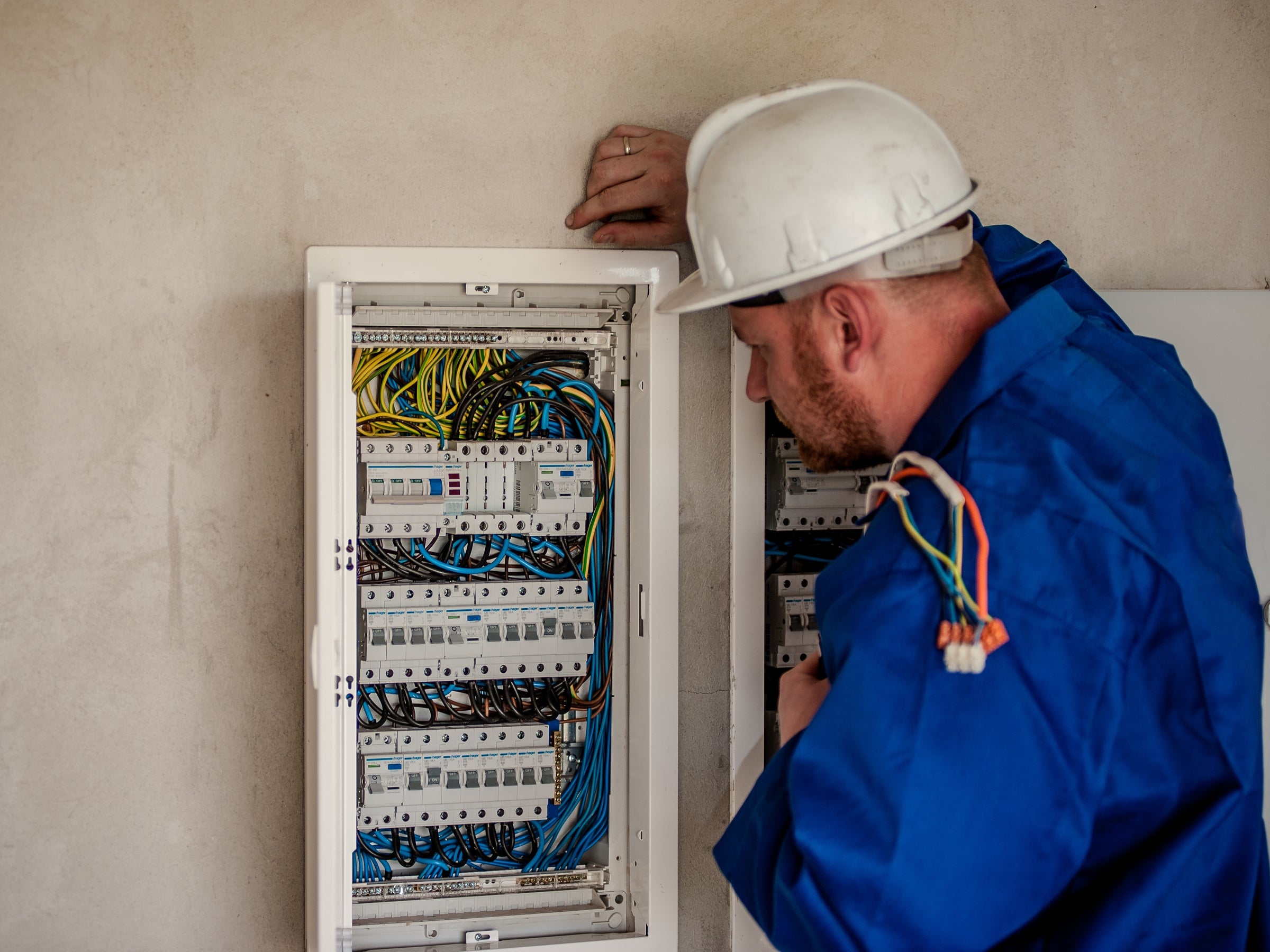
After watching all the tutorials, gathering your tools, and pumping yourself ready to tackle that electrical project yourself, you start doubting yourself. After all, how difficult can it be to replace an outlet or add a new light fixture?
While the appeal of saving money upfront is strong, many homeowners in Clearwater discover that do-it-yourself electrical work often ends costing way more than hiring a professional electrician from the start.
Never should you risk your safety or your wallet. If you’re considering electrical work in your home, be sure to contact an electrical contractor in Clearwater for a consultation before you start. Here’s why:
Fire Hazards and Insurance Complications
Improperly installed wiring, overloaded circuits, or incorrect electrical connections can lead to fires. Electrical failures or malfunctions contribute to thousand of home fires annually. When an investigation reveals that an unpermitted DIY work led to the fire, your homeowners insurance may deny your claim entirely.
Insurance companies expect electrical work to meet professional standards and local code requirements. If it is discovered that you handled electrical work without proper permits, or qualifications, they can deny coverage for fire damage, cancel your policy entirely, or refuse to cover future claims on the property.
Equipment and Tool Costs Add Up Quickly
A professional electrician Clearwater invests thousands of dollars in specialized tools and testing equipment. Even though you might think you can get by with basic tools from the hardware store, proper electrical work can require conduit blenders, fish tape for running wire, wire strippers and crimpers and proper safety equipment including insulated tools.
Buying quality versions of these tools for a single project tends to cost more than hiring a professional electrical contractor Clearwater who already owns them. Cheap tools can also fail at vital moments or provide inaccurate readings, leading to dangerous mistakes.
Reduced Home Value and Marketability
Future home buyers and their inspectors scrutinize electrical system carefully. Evidence of DIY electrical work raises red flags that can immensely impact your home’s value and appeal. Even if your electrical work functions properly, the absence of permits and professional certification makes buyers nervous.
Smart buyers either avoid homes with unpermitted electrical work entirely or demand substantial price reductions to account for the risk and cost of bringing everything up to professional standards. Most real estate agents advise sellers to proactively address these issues before listing, which means paying for professional rewiring anyway, but with the additional pressure of sale timelines.
Rounding Up
The apparent savings of DIY electrical work evaporate quickly when you factor in tools, time, safety risks, code violations, and potential repair costs. What seems like a budget-friendly choice often becomes an expensive lesson in why some jobs calls for professional expertise.
Before attempting to install an electrical panel Clearwater in your home, talk to the experienced team at Montgomery Electrical Services. We understand that electrical issues can happen at any time, and that’s why we offer quick and reliable service when you need it most.
FAQs:
1. What does an electrician do?
An electrician is a trained professional who installs, repairs, and maintains electrical systems in homes, offices, and industrial buildings. They handle wiring, lighting, circuit breakers, and ensure everything operates safely and efficiently.
2. What is the difference between an electrician and an electrical contractor?
An electrician typically performs hands-on electrical work, while an electrical contractor manages larger projects, including planning, design, and overseeing electrical installations with a team of electricians.
3. When should I call an electrician?
You should call an electrician if you experience frequent power outages, flickering lights, burning smells, tripping breakers, or when installing new electrical appliances or systems.
4. Why is upgrading an electrical panel important?
Upgrading an electrical panel improves safety, prevents overloads, and ensures your system can handle modern appliances and increased power demands efficiently.
5. How do I choose the right electrical contractor?
Look for a licensed and experienced electrical contractor with positive reviews, proper certifications, transparent pricing, and a proven track record of completing projects safely and on time.
6. How often should an electrical system be inspected?
It is recommended to have your electrical system inspected every 3–5 years, or sooner if you notice any issues or live in an older property.
7. What are the signs of a faulty electrical panel?
Common signs include frequent breaker trips, buzzing sounds, burning smells, outdated fuse boxes, and inconsistent power supply throughout your property.
8. Are electrical services expensive?
Costs vary depending on the type of work, complexity, and materials required. However, investing in professional electrical services helps prevent costly repairs and safety hazards in the long run.
9. Can I do electrical repairs myself?
It is not recommended to perform electrical repairs yourself unless you are qualified. DIY electrical work can be dangerous and may lead to serious injuries or property damage.
10. What services does an electrical contractor provide?
An electrical contractor offers services such as wiring, installations, maintenance, electrical panel upgrades, lighting solutions, and troubleshooting for residential and commercial properties.