When Good Intentions Go Wrong: An Introduction
Most people have the best of intentions when they make a skincare routine: to look healthy, feel good about themselves, and slow down the signs of aging. But, strangely, the things and habits that a lot of people use every day might be doing the opposite. Using the wrong skincare products or even using the right ones the wrong way can hurt the skin’s protective barrier, cause long-term inflammation, and speed up the aging process you are trying to stop. The first step to making a routine that really works for you is to learn how bad skincare choices hurt your skin.
Too much exfoliation can strip your skin of its defenses.
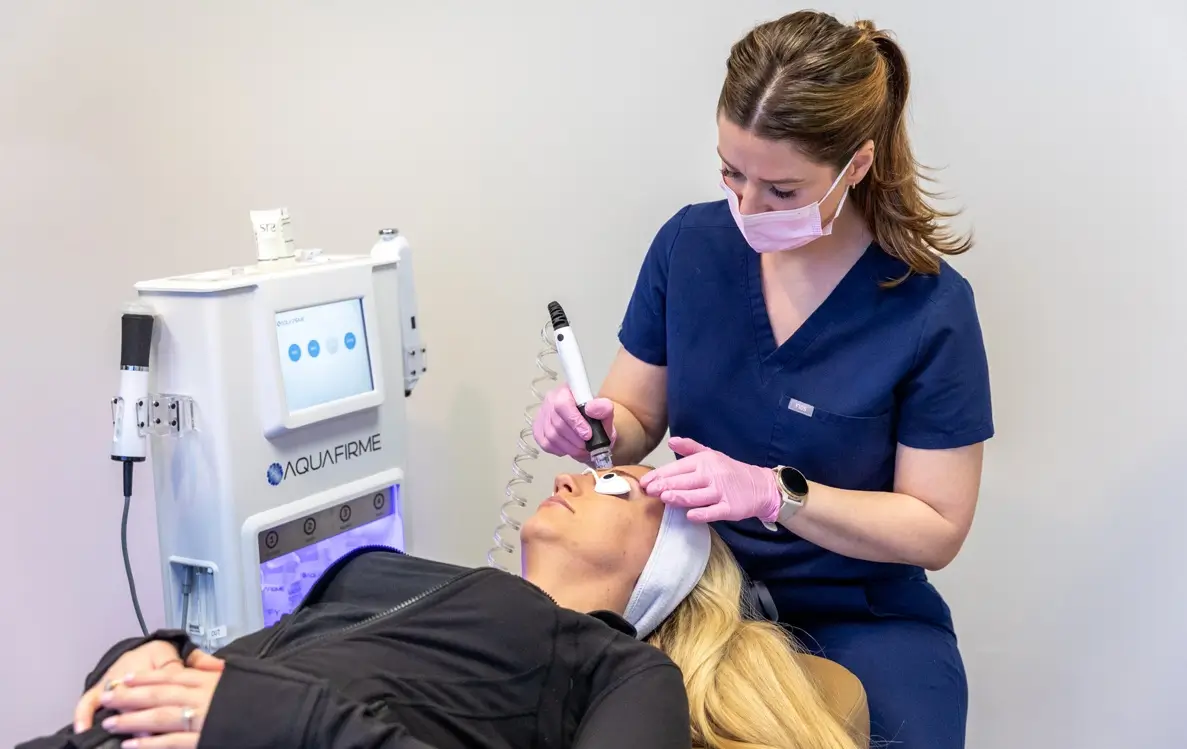
Exfoliation is one of the most popular steps in a skincare routine because it makes skin look brighter and smoother. But doing it too often or too hard is one of the quickest ways to make your skin look older. The stratum corneum is the outer layer of skin. It protects against pollutants, UV radiation, and loss of moisture by acting as a physical and chemical barrier. When you over-exfoliate, whether with harsh scrubs, chemical acids that are too strong, or dermabrasion tools that you use too often, you take away this barrier before it has a chance to grow back.
When the barrier is weak, trans-epidermal water loss (TEWL) happens, which makes the skin always dry. If your skin is dry, it is more likely to get fine lines, look dull, and lose its elasticity. Also, the chronic micro-inflammation caused by too much exfoliation over time activates matrix metalloproteinases (MMPs), which break down collagen and elastin, the two proteins that keep skin firm and young. Dermatologists usually say that you should only exfoliate two to three times a week at most, and you should always follow up with a moisturizer that is good for your skin.
Not using sunscreen is the worst thing you can do to make yourself look older.
Not using sunscreen is the worst thing you can do for your skin because it makes it age faster than anything else. Dermatological research shows that photoaging, or skin aging caused by long-term exposure to UV rays, is responsible for up to 80% of visible facial aging. No matter what the weather is like or what season it is, you need to apply SPF every day because UV rays can get through windows, cloudy days, and even the shade.
UVA rays are especially bad for your skin because they go deep into the dermis, the second layer of skin, and directly damage collagen fibers and DNA. This causes wrinkles, sagging, dark spots, and an uneven skin tone over time. A lot of people only put on sunscreen when they go to the beach or on vacation. But even a little bit of UV exposure every day, like during a morning commute or an afternoon walk, can add up to a lot of skin damage over the years and decades. The best thing anyone can do to stop aging too quickly is to choose a broad-spectrum SPF 30 or higher and put it on every morning, no matter what the weather is like.
Using harsh cleansers can throw off the skin’s natural balance.
The skin naturally has a pH of about 4.5 to 5.5, which is slightly acidic. This level helps good microorganisms grow, keeps bad bacteria in check, and makes sure that enzymes work well in the skin barrier. A lot of regular bar soaps and foaming cleansers have a pH of 9 or higher, which means they are very alkaline. Using these products every day messes up the skin’s acid mantle, which can make it dry, irritated, and cause a condition called alkaline-induced barrier dysfunction.
When harsh cleansers break down the skin barrier over and over again, they wash away the skin’s natural moisturizing factors. This causes inflammation that breaks down collagen over time. Tightness after washing, more sensitivity, redness, and a dull, rough texture are all signs that the cleanser has hurt your skin. Changing to a gentle, pH-balanced cleanser that works well with your skin type can make a big difference in the health of your skin and how well it ages.
Too Many Active Ingredients: More Isn’t Always Better
Active skincare ingredients like retinoids, vitamin C, niacinamide, AHAs, BHAs, and peptides have changed the way we take care of our skin today. But putting too many strong actives on your skin at once can hurt it. Some combinations don’t work well together chemically. For instance, using vitamin C and niacinamide together can cause flushing and make both ingredients less effective. Mixing retinol with AHAs, on the other hand, raises the risk of severe irritation and damage to the barrier.
Chronic skin irritation, even if it seems mild, causes a cycle of inflammation that breaks down collagen over time. This phenomenon, often referred to as “inflammaging,” is increasingly acknowledged as a principal factor in premature skin aging. It’s important to add new active ingredients one at a time, patch-test them before using them all over your body, and let your skin get used to them slowly. A simple routine that you stick to will always work better than a complicated one that makes your skin red and itchy.
Not moisturizing and drinking enough water
Some people, especially those with oily or acne-prone skin, don’t use moisturizer at all because they think it will make their breakouts worse or make their skin look greasy. This is a common mistake that can make your skin age much faster. The skin barrier gets weaker, fine lines become more noticeable, and the skin loses its natural plumpness and glow when it isn’t properly moisturized.
Skin cells that are well-hydrated work better, heal themselves better, and respond better to the active ingredients in other products. Hyaluronic acid, ceramides, and glycerin are some of the ingredients that help keep skin moist without clogging pores. They work on all skin types, even oily skin. Putting on a moisturizer right after washing your face, when it’s still a little damp, helps keep moisture in and strengthens the barrier against things that can stress your skin.
Conclusion: The Right Routine Is a Good Investment for the Future
Taking care of your skin isn’t just about looking good today; it’s also about keeping your skin healthy, working, and strong for years to come. Making bad choices about skin care, like using harsh cleansers, skipping SPF, or over-exfoliating, can all speed up the aging process in ways that don’t show up for years. The good news is that you can stop most of this damage from happening. You can help your skin age gracefully and healthily by making your routine easier, using products that are good for your skin type, and respecting how your skin naturally works. If you’re not sure what to do, talking to a board-certified dermatologist can help you make a routine that keeps your skin healthy in the long run instead of hurting it.
Frequently Asked Questions (FAQs)
Q1. How do I know if I’m over-exfoliating my skin?
Common signs include persistent redness, a tight or raw feeling after washing, increased sensitivity to products that never irritated you before, and a shiny yet rough texture. If your skin feels worse after exfoliating rather than smoother and brighter, it is a strong signal to cut back on frequency and switch to a gentler formula.
Q2. Do I really need sunscreen indoors or on cloudy days?
Yes. UVA rays — the ones most responsible for deep skin aging — pass through glass windows and clouds with ease. Even on an overcast day, up to 80% of UV radiation still reaches your skin. If you sit near a window at work or spend time commuting, daily SPF is just as important as on a sunny beach day.
Q3. Can my facial cleanser really be aging my skin?
Absolutely. Cleansers with a high pH disrupt the skin’s natural acid mantle, causing chronic dryness, irritation, and barrier breakdown. Over time, this low-grade inflammation degrades collagen and speeds up the appearance of fine lines and dullness. Switching to a gentle, pH-balanced cleanser is one of the simplest and most impactful upgrades you can make.
Q4. Which ingredient combinations should I avoid in my skincare routine?
Some of the most common problematic pairings include retinol with AHAs or BHAs (which can cause severe irritation), vitamin C with niacinamide (which can reduce efficacy and cause flushing), and benzoyl peroxide with retinol (which can deactivate the retinol). When introducing new actives, add one at a time and space them out across your morning and evening routines to minimize conflict.
Q5. If I have oily skin, do I still need a moisturizer?
Yes — oily skin still needs hydration. Skipping moisturizer often causes the skin to overproduce oil to compensate for the lack of moisture, making oiliness worse rather than better. Opt for a lightweight, non-comedogenic moisturizer with ingredients like hyaluronic acid or niacinamide. These hydrate the skin without blocking pores and actually help regulate sebum production over time.

Digital entrepreneur and content expert I help businesses with AI, SEO and the latest tech trends. I started Silicon Valley Weekly to make complex tech concepts easy to understand and use for business growth. I know a lot about systems and help startups, entrepreneurs and brands navigate the fast-changing world of tech and online marketing.
I build strategies that use data, search optimization, content marketing and AI tools to get visibility, engagement and revenue. I love finding ways for businesses to grow increasing their presence and turning new ideas into successful businesses. My goal is to connect the technology, with practical business use so brands can succeed online.