Nintendo is one of the oldest and most important companies in the gaming industry. It was founded in 1889. The company started out making handmade playing cards in Kyoto, Japan. Nintendo has grown into a global entertainment giant over the past hundred years. It has changed the world of video games with its famous characters, cutting-edge hardware, and unforgettable experiences.
Nintendo Profile Summary
| Attribute | Details |
|---|---|
| Company Name | Nintendo Co., Ltd. |
| Founded | September 23, 1889 (as a playing card company) |
| Incorporated | November 1947 |
| Founder | Fusajiro Yamauchi |
| Headquarters | 11-1 Hokotate-cho, Kamitoba, Minami-ku, Kyoto, Japan |
| Industry | Video games, Electronics |
| Business Description | Manufacture and sale of home entertainment products |
| Capital | ¥10,065,400,000 |
| Key People | Shuntaro Furukawa (President), Shigeru Miyamoto (Executive Fellow) |
| Major Subsidiaries | Nintendo of America, Nintendo of Europe, Nintendo Australia, Nintendo Korea, The Pokémon Company, Monolith Soft, 1-UP Studio, SRD Co., Ltd., Nintendo Pictures |
| Stock Listing | Tokyo Stock Exchange: TYO 7974 |
| Global Reach | Operations in North America, Europe, Australia, Korea, Hong Kong, Taiwan, Singapore |
| Notable Brands/Series | Mario, The Legend of Zelda, Pokémon, Animal Crossing, Metroid, Donkey Kong |
| Recent Production Output (2023) | Hardware: 17.97 million units; Software: 213.96 million units |
Key Highlights
- Mission: Nintendo’s mission is to “create smiles” by delivering entertainment experiences worldwide.
- Legacy: Started with Hanafuda playing cards in 1889, later revolutionized gaming with consoles like the NES, Game Boy, Wii, and Switch.
- Global Subsidiaries: Nintendo of America (Redmond, WA, USA), Nintendo of Europe (Germany), Nintendo Australia, and others ensure worldwide distribution and support.
- Financial Strength: Listed on the Tokyo Stock Exchange, part of Nikkei 225 and TOPIX Core30 indices.
Starting out small: from cards to consoles
Fusajiro Yamauchi started Nintendo as a company that made Hanafuda playing cards. Nintendo did well in the card business for many years. In the middle of the 20th century, it even worked with companies like Disney to reach more people.
But by the 1960s, the business was looking into new areas, like toys and electronic entertainment. Nintendo’s experimentation eventually led them into the new video game market in the 1970s, which set the stage for their worldwide success.
The Rise of Video Games
Nintendo’s big break came with arcade games like Donkey Kong (1981), which introduced the world to Mario, who was then known as Jumpman, and its creator, Shigeru Miyamoto.
The Nintendo Entertainment System (NES) came out in the 1980s and changed the way people played games at home. Nintendo not only brought the video game industry back to life after the 1983 crash with games like Super Mario Bros. and The Legend of Zelda, but it also raised the bar for gameplay and storytelling.
Nintendo’s current market capitalization (net worth in financial terms) is approximately ¥12.92 trillion JPY (about $83 billion USD), reflecting its valuation on the Tokyo Stock Exchange.
Nintendo Net Worth Summary
| Attribute | Value |
|---|---|
| Stock Symbol | TYO: 7974 |
| Current Share Price | ¥8,745 JPY |
| Previous Close Price | ¥8,762 JPY |
| Market Capitalization (Net Worth) | ¥12,921,970,000,000 JPY (~$83 billion USD) |
| 52-Week High | ¥14,795 JPY |
| 52-Week Low | ¥8,326 JPY |
| P/E Ratio | 24.59 |
| Dividend Yield | 2.07% |
| Average Daily Volume | 9.75 million shares |
| Current Trading Volume | 4.30 million shares |
Context & Insights
- Global Standing: With a net worth of ~$83 billion, Nintendo is among the most valuable gaming companies worldwide, rivaling Sony’s PlayStation division and Microsoft’s Xbox.
- Drivers of Value: The valuation is strongly tied to the success of the Nintendo Switch console, its upcoming successor, and evergreen franchises like Mario, Zelda, and Pokémon.
- Investor Appeal: A relatively stable dividend yield (2.07%) and strong intellectual property portfolio make Nintendo attractive to long-term investors.
- Risks: Market cap can fluctuate based on console adoption cycles, competition from Sony and Microsoft, and shifts in consumer gaming trends.
Key Considerations
- Currency Exchange Impact: Since Nintendo is listed in Japan, its net worth in USD fluctuates with the JPY/USD exchange rate.
- Upcoming Catalyst: The anticipated successor to the Nintendo Switch could significantly impact valuation depending on adoption rates.
- Comparative Scale: Nintendo’s ~$83B valuation is smaller than Microsoft’s gaming division but larger than many pure-play gaming companies, showing its unique position as both hardware and software powerhouse.

Famous Characters and Franchises
Nintendo is known for making some of the most famous characters in all of entertainment history. These characters have become cultural icons that go beyond gaming.
- Mario is the face of Nintendo and one of the most well-known characters in the world.
- Link is the hero of the famous Zelda games.
- Pikachu is the face of the Pokémon franchise.
- Kirby is the cute pink hero.
Nintendo is now a part of gaming history thanks to franchises like Super Mario, The Legend of Zelda, and Pokémon, which have sold hundreds of millions of copies around the world.
New ideas in gaming hardware
Nintendo has always pushed the limits of gaming hardware. The company doesn’t just focus on raw power; it also values creativity and accessibility.
Game Boy (1989): Changed the way people played games on the go
Wii (2006): Brought motion controls to the general public
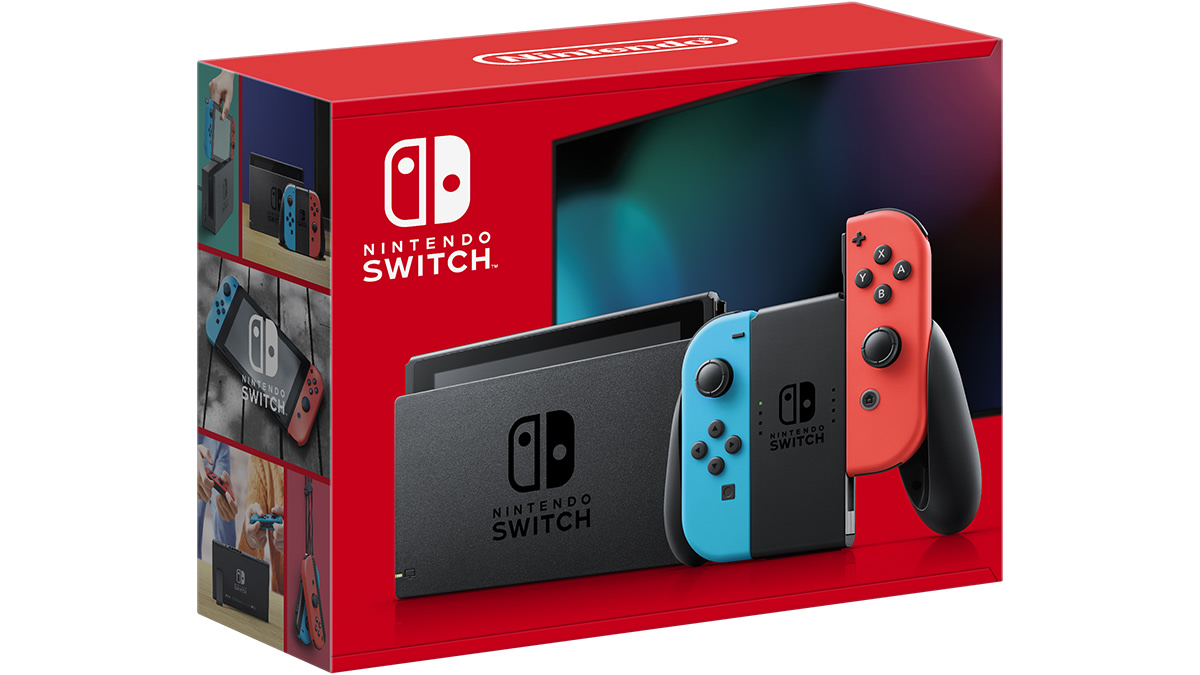
Nintendo Switch (2017): A console that can be played at home or on the go
The Nintendo Switch has been a huge hit because it combines portable gaming with traditional console gaming and appeals to both casual and hardcore gamers.
Effects on the world and culture
Nintendo has had an impact on more than just video games. Movies, TV shows, toys, and theme parks have all been inspired by its characters and franchises. The opening of Super Nintendo World in Universal Studios parks shows how important the brand is to culture.
During global lockdowns, games like Animal Crossing: New Horizons became very popular. They gave millions of players around the world a sense of connection and relaxation.
Nintendo’s design philosophy is based on fun, creativity, and making games that everyone can enjoy, no matter their age or skill level.
Strategy for Competing and the Market
In the gaming business, Nintendo goes up against big names like Sony and Microsoft. Competitors often focus on high-performance hardware, but Nintendo stands out by being innovative and offering exclusive games.
Nintendo has been able to find a unique niche thanks to this plan. It doesn’t compete directly on graphics or processing power; instead, it focuses on gameplay experiences and popular intellectual properties.
Problems and Comebacks
Nintendo has had problems even though it has been successful. The Wii U, which came out in 2012, didn’t do well in sales because the marketing wasn’t clear and there wasn’t much support from third parties. But Nintendo bounced back strongly with the Switch, showing that it can learn from its mistakes and change.
One of the things that makes the company stand out is how resilient it is, which helps it stay relevant in an industry that changes quickly.
What Will Happen to Nintendo in the Future
Nintendo is still looking into new technologies and experiences for the future. The company isn’t slowing down; it’s expanding into movies and theme parks, improving online services, and making more games.
Nintendo wants to grow beyond gaming while staying true to its roots. For example, animated movies with Mario show this.
Final Thoughts
Nintendo started out as a small card company in Kyoto and has grown into a global gaming giant. This shows how creative, flexible, and dedicated to fun they are. Nintendo has changed the gaming industry for generations with its famous characters, cutting-edge consoles, and loyal fans.
Nintendo will continue to be a major force in entertainment for years to come because it can adapt to new technology while keeping its unique style.
Frequently Asked Questions (FAQs)
1. When was Nintendo founded?
Nintendo was founded in 1889 by Fusajiro Yamauchi in Kyoto, Japan. It originally produced traditional Japanese playing cards.
2. What was Nintendo’s first video game?
Nintendo’s early video game efforts began in the 1970s, but its first major hit was Donkey Kong (1981), which introduced Mario.
3. What is Nintendo best known for?
Nintendo is best known for its iconic franchises like Super Mario, The Legend of Zelda, and Pokémon, as well as innovative gaming consoles like the Nintendo Switch.
4. Who created Mario?
Mario was created by legendary game designer Shigeru Miyamoto.
5. What is the Nintendo Switch?
The Nintendo Switch is a hybrid gaming console released in 2017 that can be used both as a home console and a portable handheld device.
6. Where is Nintendo headquartered?
Nintendo is headquartered in Kyoto, Japan, where it was originally founded.
7. What are Nintendo’s most popular characters?
Some of the most popular characters include:
- Mario
- Link
- Pikachu
- Kirby
8. How is Nintendo different from competitors?
Unlike competitors like Sony and Microsoft, Nintendo focuses more on innovative gameplay and family-friendly experiences rather than cutting-edge graphics.
9. What was Nintendo’s biggest failure?
The Wii U (2012) is often considered one of Nintendo’s biggest commercial failures due to poor marketing and low third-party support.
10. What is Nintendo’s latest console?
As of now, the Nintendo Switch remains Nintendo’s latest major console, with ongoing updates and game releases.
11. Does Nintendo make mobile games?
Yes, Nintendo has released several mobile games, including titles like Super Mario Run and Mario Kart Tour, expanding its reach beyond consoles.
12. What is Nintendo’s future focus?
Nintendo is focusing on expanding its intellectual properties into movies, theme parks, and new gaming experiences, while continuing to innovate in hardware and software.

Digital entrepreneur and content expert I help businesses with AI, SEO and the latest tech trends. I started Silicon Valley Weekly to make complex tech concepts easy to understand and use for business growth. I know a lot about systems and help startups, entrepreneurs and brands navigate the fast-changing world of tech and online marketing.
I build strategies that use data, search optimization, content marketing and AI tools to get visibility, engagement and revenue. I love finding ways for businesses to grow increasing their presence and turning new ideas into successful businesses. My goal is to connect the technology, with practical business use so brands can succeed online.